








 Certificări și Acreditări
 Rețea Centre
 Întrebări Frecvente
 Satisfacție Clienți
 Știri
Știri
 Afilieri și Parteneriate
Petrila
Afilieri și Parteneriate
Petrila

Cea mai mare Retea de Centre de Pregatire pentru Surse Regenerabile din Sud Estul Europei

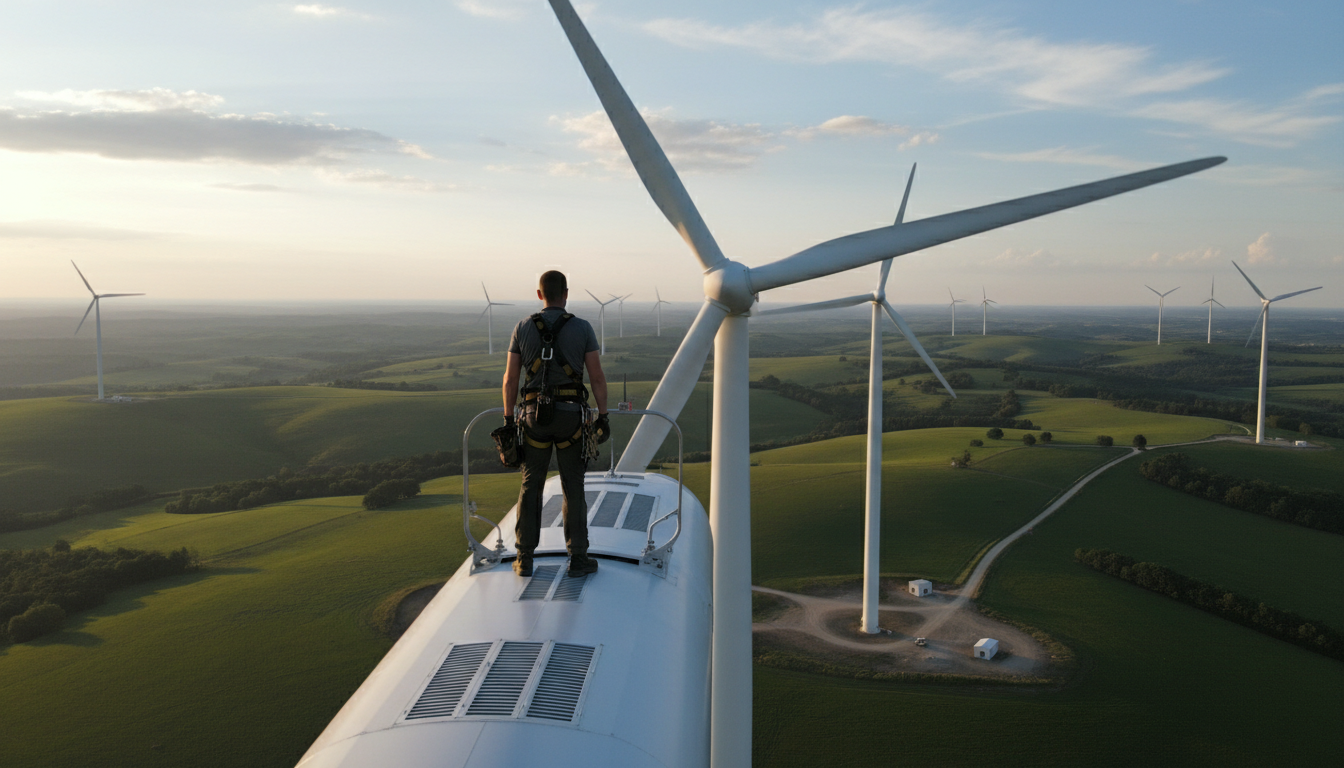
Curs de instalare si mentenanta turbine eoliene
Vezi mai multe


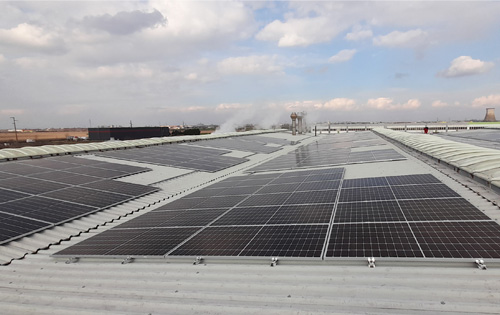
Cursuri instalare si mentenanta panouri fotovoltaice
Vezi mai multe

Cursuri instalare si mentenanta sisteme de stocare energie electrica regenerabila
Vezi mai multe

Cursuri și stagii de practică cofinanțate de Uniunea Europeană
Vezi mai multe
RenewAcad este un centru de pregatire certificat national si international pentru a oferi cursuri de pregatire, de calificare si re-calificare in domeniul surselor regenerabile de energie, in preponderent cursuri pentru industria eoliana si fotovoltaica.
Descoperă mai multe


ani de experiență

tehnicieni pregătiți

cursuri profesionale

premii de excelență

proiecte implementate
Industry-leading certification pathways designed to meet the rigorous demands of the global energy sector.
Vezi curriculum


Training certificat GWO pentru tehnicieni turbine onshore si offshore. Training certificat GWO pentru tehnicieni turbine onshore si offshore.
16 Cursuri


Training certificat GWO pentru tehnicieni turbine onshore si offshore.
28 Cursuri

Training certificat GWO pentru tehnicieni turbine onshore si offshore.
32 Cursuri

Training certificat GWO pentru tehnicieni turbine onshore si offshore.
53 Cursuri
Cursuri Turbine Eoliene
CHIM

Duration: 16 hours Validity: Unlimited The Crane & Hoist Inspection & Maintenance (CHIM) module enables participants to perform inspections, preventive maintenance, and functional tests on cranes and hoists used in wind turbine environments, in accordance with GWO V2 (2025) and manufacturer requirements. The module combines classroom learning with extensive hands-on practical exercises to ensure safe and compliant maintenance practices.Participants will learn how to:– Understand legal requirements, standards, and manufacturer manuals related to lifting equipment inspection;– Perform pre-use, periodic, and annual inspections of cranes and hoists according to procedures;– Identify, classify, and record mechanical, structural, or electrical defects such as wear, deformation, or corrosion;– Perform functional tests, including limit switch checks, braking systems, and control unit verification;– Conduct preventive maintenance: lubrication, tightening, and cleaning of key components;– Apply lockout/tagout (LOTO) and other safety measures before maintenance activities;– Complete inspection checklists and maintenance reports in accordance with GWO and internal standards;– Recommend corrective actions and ensure defective equipment is removed from service until repaired.Objective:Upon completion, participants will be able to safely inspect, maintain, and verify cranes and hoists in wind turbine environments, ensuring compliance with GWO standards, manufacturer documentation, and site-specific safety requirements.

16 [h]
€550*
+TVA
Book for Training

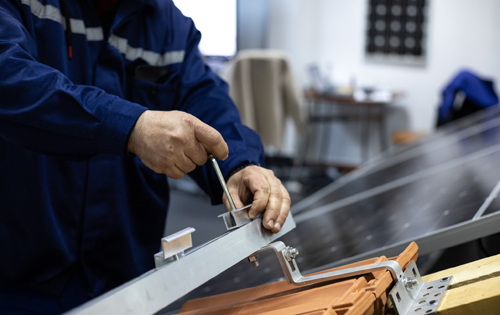
Cursuri Parcuri Fotovoltaice
Cursuri Stocare Energie Electrică
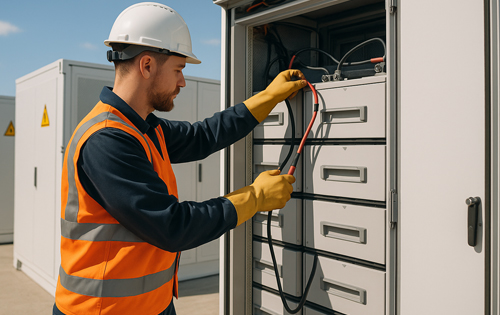
The Battery Storage Basics certificate empowers learners with the basic knowledge and insights to build up their understanding of the importance and working principles of battery technologies. They will learn how batteries fit in the energy context, what is their historical importance, and explore different perspectives and classification of current battery technologies. Learners will then look into the core components and parameters of batteries and battery systems. Lastly, they will be guided through different battery technologies that are currently in use.
10h
€600*
+TVA
Book for Training
Cursuri Stocare Energie Electrică

This certificate empowers to expertly assess the challenges, the main drivers and the business opportunities of a changing energy system at different levels of the market. Participants will get a perspective on policy and regulation frameworks as a crucial part of any investment decision and strategy, and will discover real business examples from leading companies that are ground-breaking in their sector.
11h
€740*
+TVA
Book for Training
Cursuri Turbine Eoliene
BaSC-R
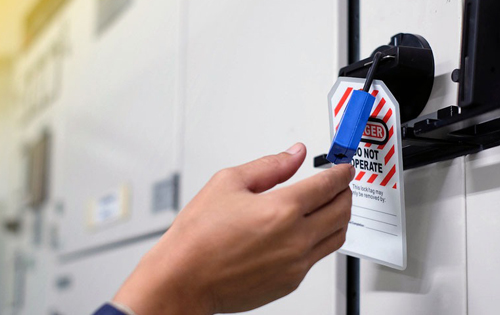
ENG: Aims and Objectives for the CoHE Basic Safety Module The aim of this module is to enable participants, through theoretical and practical training, to act safely while working in the vicinity of hazardous energies in the wind industry and be able to perform assigned tasks safely. After having successfully complete this CoHE Basic Safety module, the participants will have the ability to: 1) Solve the challenge of how to act safely while working in the vicinity of hazardous energies in the wind industry and will on their own initiative seek guidance when needed (Ability, basic level)
1 [h]
€315*
+TVA
Book for Training
Cursuri Turbine Eoliene
MHR

Aims and Objectives for the BST Manual Handling Module The aim of this module is to enable participants, through theoretical and practical training, to reduce the risk of musculoskeletal injuries for wind technicians in the wind industry and enable participants to perform their tasks and activities in the safest possible way when working in a wind turbine environment.After having successfully complete this BST Manual Handling module, the participants will have the ability to take responsibility for the use of essential manual handling principles to reduce the risk of musculoskeletal injury when performing physical tasks and activities in the wind industry (Ability, intermediate level).
4 [h]
€100*
+TVA
Book for Training
Cursuri Parcuri Fotovoltaice
Cursuri Turbine Eoliene
BaSC
ENG: Aims and Objectives for the CoHE Basic Safety Module The aim of this module is to enable participants, through theoretical and practical training, to act safely while working in the vicinity of hazardous energies in the wind industry and be able to perform assigned tasks safely. After having successfully complete this CoHE Basic Safety module, the participants will have the ability to: 1) Solve the challenge of how to act safely while working in the vicinity of hazardous energies in the wind industry and will on their own initiative seek guidance when needed (Ability, basic level)
4 [h]
€350*
+TVA
Book for Training
Cursuri Parcuri Fotovoltaice
Cursuri Parcuri Fotovoltaice

Duration: 8 hours Validity: 24 months The Solar Safe Work (S-SW) module provides participants with the essential knowledge and practical understanding of working safely within solar installations. It focuses on identifying workplace hazards, assessing risks, and implementing preventive measures to reduce incidents and ensure compliance with solar industry safety standards.Participants will learn how to:– Identify and evaluate hazards specific to solar work such as electrical risks, fire, falls, and manual handling injuries;– Apply the hierarchy of risk control (elimination, substitution, engineering controls, administrative controls, PPE);– Use personal protective equipment (PPE) correctly and maintain it in good condition;– Follow site-specific safety procedures, lockout/tagout (LOTO) principles, and permit-to-work systems;– Apply safe manual handling, tool use, and equipment transport techniques;– Demonstrate safe behaviour in relation to weather conditions, heat exposure, and electrical hazards;– Report near-misses, unsafe acts, and hazardous conditions effectively;– Participate in toolbox talks and safety briefings as part of the safety culture in the solar industry.Objective:After successful completion, participants will understand and apply safe working practices and risk prevention principles when performing tasks in solar installations, supporting a proactive safety culture at the workplace.
8h
€200*
+TVA
Book for Training
Cursuri Parcuri Fotovoltaice
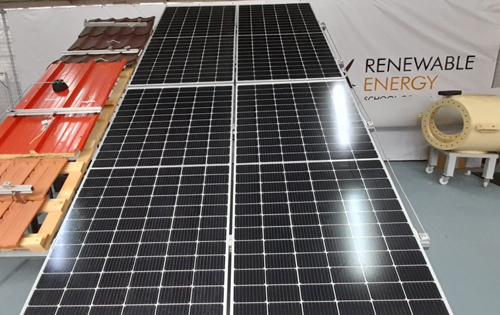
The competency assessment for the 720-hour Qualification course in photovoltaic (PV) system installation involves the process of verifying and certifying the knowledge, skills, and abilities required in this field. The course focuses on the installation, maintenance, and repair of photovoltaic systems, ensuring compliance with current standards and regulations. Assessment Criteria: Technical Knowledge: Demonstrating knowledge of electricity, solar energy, and the operation of photovoltaic systems, including their components (panels, inverters, etc.). Practical Skills: Verifying the ability to correctly and safely install photovoltaic panels and other system components. Problem-Solving Skills: The ability to identify and troubleshoot system faults in photovoltaic systems. Knowledge of Regulations: Adherence to applicable legal standards and regulations concerning the installation of photovoltaic systems.
22h
€400*
+TVA
Book for Training
Cursuri Parcuri Fotovoltaice

Duration: 4 hours Validity: 24 months The Solar First Aid Awareness (S-FAA) module provides participants with the essential knowledge to recognise, respond to, and support first aid actions in a solar work environment. It is intended for all solar personnel who need a general understanding of emergency response but who are not required to perform full first aid interventions.Participants will learn how to:– Recognise emergency situations and activate the emergency response system;– Call for professional help and provide accurate information to rescue teams;– Assist qualified first aiders during incidents, following their instructions;– Support colleagues safely while maintaining own safety using basic PPE;– Understand the main risks in solar installations related to heat, electrical shock, and falls;– Maintain calm and communicate clearly during emergency scenarios;– Demonstrate awareness of limitations and the importance of professional medical assistance.Objective:Upon completion, participants will be able to act calmly and effectively in emergency situations, provide initial assistance and communicate correctly until professional help arrives, ensuring personal safety and that of others.
4h
€160*
+TVA
Book for Training
Cursuri Parcuri Fotovoltaice
Cursuri Parcuri Fotovoltaice
Cursuri Turbine Eoliene
OFL
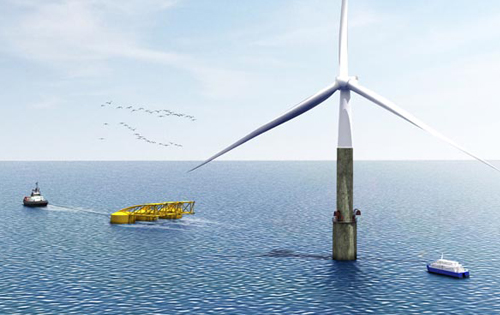
Aims and Objectives of the Offshore Limited Access Module The aims of this Offshore Limited Access are, to build upon the skills and knowledge gained in the onshore module, giving participants the ability to act safely and responsibly when participating in a supervised visit to an offshore WTG environment during normal operations. Overall learning objective: After successfully having completed this Offshore Limited Access Module, the participants have the ability to act safely and responsibly during a supervised visit to an offshore WTG environment and to take limited responsibility for their own safety at sea and during transfers.
4 [h]
€200*
+TVA
Book for Training
Cursuri Stocare Energie Electrică
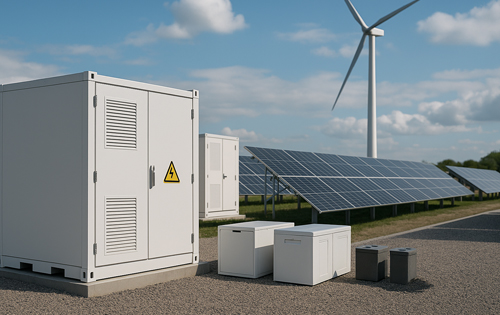
This certificate explores the potential role and position of battery storage in the future European electricity industry, by shedding light on different applications of battery storage. For each of the four main applications of grid-scale, behind-the-meter, off-grid and mobility, you will learn about the most promising services of battery storage in the electricity system that has a large share of renewable electricity. You will discover why the development and deployment of battery storage has been slow, despite it being a promising solution, but also why the time has come for the electricity industry to make smart battery choices.
4h
€310*
+TVA
Book for Training
Cursuri Stocare Energie Electrică
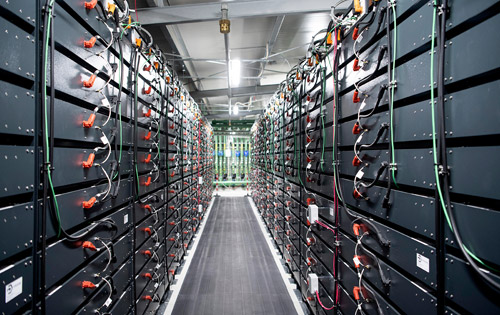
Renewable energy is rapidly transforming the energy industry, creating a more diverse sector with enormous opportunities for new technologies, new businesses, and new ideas. Investments in renewable energy are skyrocketing in line with ambitious national goals aimed at reducing carbon emissions. As renewable energy capacity grows, one viable solution to achieve energy sustainability goals is energy storage. This course is designed to provide an overview of battery energy storage systems, enabling participants to assess the advantages and challenges of this technology and become familiar with key concepts of such systems. Topics Covered during the Battery Course - The Commercial Aspect of Storage Solutions in Romania and Worldwide:⚡ Romanian Market and Legislation for Storage; ⚡ Types of Storage Markets and Services in Romania and the EU; ⚡ Business Plan, Costs, and IRR; ⚡ Case Study: Technical and Commercial Operation of Mireasa Hybrid 216 MWh ⚡ Storage solutions and equipment. ⚡ Used equipment and software solutions.Lectori Sebastian Enache - a recognized expert in this field. With over 17 years of experience in the photovoltaic and wind industry, including design, services, and company management, Sebastian began his career in one of Romania's earliest renewable energy companies. To date, they have developed over 5000 MW of wind and photovoltaic energy, with Sebastian actively involved in M&A transactions totaling over 3500 MW of renewable projects, as well as design and technical analysis for over 9000 MW, and services for over 20000 MW across more than 15 countries worldwide. Sebastian has been actively involved in both development and M&A activities for the 600 MW Fântânele-Cogealac wind farm and the newly established 1000 MW Arad-Grăniceri photovoltaic park. Since 2010, Sebastian has founded Romania's first private dispatch center and one of the earliest in Europe, which currently hosts over 30% of Romania's renewable capacity. Since 2016, Sebastian has been an active member of the RWEA board of directors and, from 2022, the RPIA board of directors. Since 2019, Sebastian Enache has been coordinating the most significant professional reconversion project, RENEWACAD, aimed at transitioning miners to skills required in the renewable energy industry, a project supported by the European Commission and the Ministry of Energy. Mihaela Popescu - with 10 years of experience in Strategic Project Management, has developed a comprehensive skill set over time, including analyzing various sources of information, team leadership, and interdisciplinary coordination. In pursuit of working in complex and innovative fields, she joined Monsson Group in 2023, assuming the role of Coordinator of the Asset Management Department of the Energy Storage System. In this position, Mihaela Popescu has contributed to identifying the most effective operational strategies for Monsson Group's new storage capacity. Alexandru Bratosin is an electrical engineer who has overseen the commissioning and operational testing program for Monsson's 24 MWh energy storage pilot project, currently the largest in Romania. Since 2007, Alexandru has demonstrated a proven track record of delivering excellent work in the maritime sector across multiple international companies. He started as an electrical officer and progressed to roles such as electrical supervisor and senior electrical superintendent for new ship construction projects, managing major endeavors in countries like China, Taiwan, South Korea, Japan, and Spain. Since 2022, Alexandru has been a project manager in the renewable sector at Monsson SRL, where he is responsible for the energy storage system and photovoltaic parks. To whom is it addressed The course is aimed at individuals who wish to gain a deeper understanding of the battery storage industry from both technical and business perspectives. Participants will learn about the concept of electricity production from renewable sources and the main characteristics of this industry. They will be able to assess macro-level opportunities in this sector as well as trends in technologies and new methods of integrating renewables into current energy systems. Additionally, upon completion of the course, they will be familiarized with the main stages involved in developing a project for the production and storage of electricity from renewable sources. Curriculum - General context of the EU and Romanian energy market, 2025- Romanian energy market 2024-2030- Global trends in energy prices and technology types- Energy storage and types of storage - Energy storage in batteries. Characteristics and main advantageso Advantages/Disadvantages of different technologies o Key features - General principles for designing storage systems- General principles for developing storage systems – Romania- Legislation on Storage 2024-2025- Minimum technical and commercial requirements for market compliance- Development / authorization process from TSO perspectiveo Case study: stand-alone battery in Romania o Case study: behind the meter battery in Romania o Financing and Business Plan - Case study: Technical Operation in the Market – Mireasa 216 MWh General Project Used technology, SCADA, and operation Equipment and suppliers used
8h
€650*
+TVA
Book for Training
Cursuri Stocare Energie Electrică
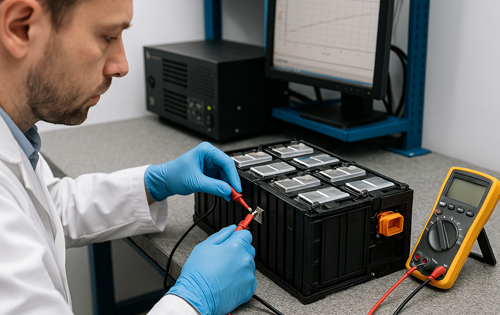
This mini-certificate discusses different methods for battery testing. The importance of testing, related standards, needed testing infrastructure and analysis tools are individually tackled. This series also highlights how the output of battery testing is viable for battery modelling that supports the battery use phase and can possibly be implemented on battery management systems.
5h
€490*
+TVA
Book for Training
Cursuri Stocare Energie Electrică
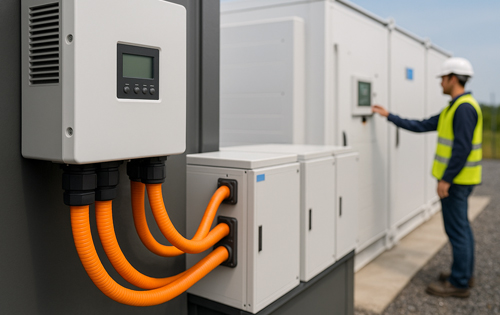
This certificate discusses the need of power converters for battery applications. It dives into the different types of power converters and explains the underlying principles. The use of power converters is illustrated via a number of applications. The fundamental concept of efficiency is discussed.
8h
€640*
+TVA
Book for Training
Cursuri Stocare Energie Electrică
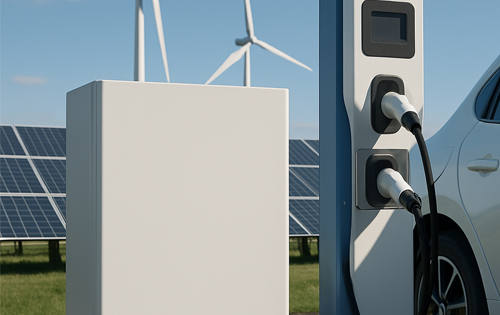
This certificate introduces the most promising battery storage technologies and how they can affect the future of the transportation and power sectors.
5h
€330*
+TVA
Book for Training
Cursuri Turbine Eoliene
SLS
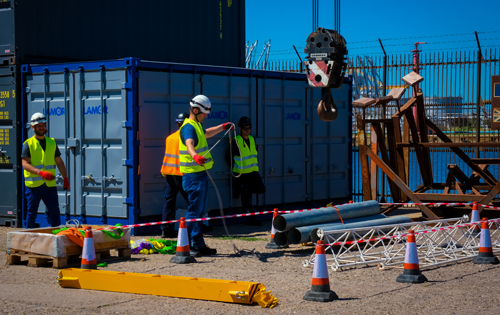
Aims and Objectives for the Slinger Signaller Module The aim of GWO’s Slinger Signaller Module is to enable the participant to support and care for themselves and others while working with slinger signalling in the wind industry by possessing the required knowledge, skills, and ability to conduct assigned tasks safely and efficiently. Upon successful completion of GWO’s Slinger Signaller Module training course, the participant will be able to work within the wind industry conducting slinging techniques and signalling during simple lifting operations, meaning lifts conducted based on a lifting plan or covering known hazards. Overall learning objectives The participants of the slinger signaller module will have the ability to: 1) On their own, take responsibility to attach and detach the load to and from the crane lifting attachment (Ability, intermediate level) 2) Take responsibility to initiate and direct the safe movement of the crane, including multiple slinger signallers during limited or blind lifts in both familiar and unfamiliar situations (Ability, intermediate level) 3) Take responsibility for their role and responsibilities during the lift (Ability, intermediate level) 4) On their own, take responsibility for visual pre- and post-inspection on lifting accessories and load (Ability, intermediate level) 5) Take responsibility for handling lifting accessories (Ability, intermediate level) 6) Act independently when taking responsibility for ensuring safe lift-off and lay down of the load (Ability, intermediate level) 7) Take responsibility for slinging various types of loads, based on weight, centre of gravity, shape, and size and to seek guidance when needed (Ability, intermediate level) 8) Take responsibility to carry out generic routine lifts in accordance with the lift plan independently and responsibly (Ability, intermediate level) 9) Take responsibility to comply with instructions/procedures set up by the employer to manage lifting and to seek guidance when needed (Ability, intermediate level) 10) Take responsibility to ensure that equipment is properly applied, maintained and that defects are reported (Ability, intermediate level)
16 [h]
€350*
+TVA
Book for Training
Cursuri Stocare Energie Electrică
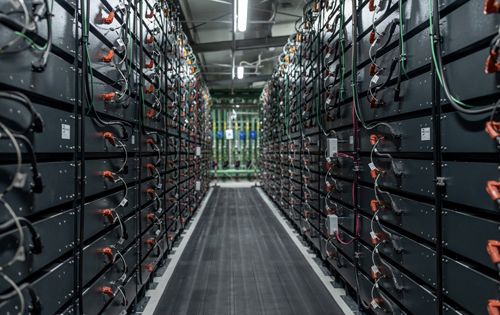
The Battery Storage Expert Programme covers the entire battery storage value chain, from the role of batteries to their constituent parts; from the battery value chain to the integration in power applications; from the impact on the electricity market to ground-breaking business models. Participants build the knowledge, the expert understanding, the technical and commercial insights and the human network to play a leading part in driving the global energy transition.
86h
€3750*
+TVA
Book for Training
Cursuri Turbine Eoliene
BTTM
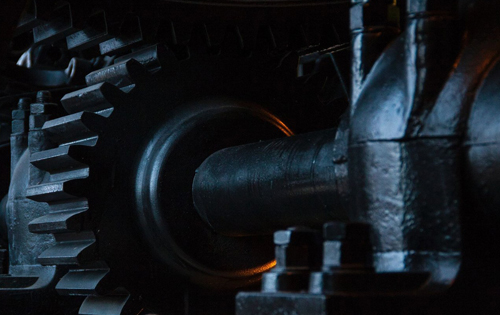
Aims and Objectives for the BTT Mechanical Module The aim of this BTT Mechanical Module is to give the participants the knowledge and skills to carry out basic mechanical tasks (supervised by an experienced technician), using safe working procedures and the correct PPE. After having successfully complete this BTT Mechanical module, the participants will have the ability to: 1) Describe the main components, mechanical systems and basic operation of wind turbines (Knowledge, basic level) 2) Discuss risks and hazards associated with mechanics (Knowledge, intermediate level) 3) Explain the principles of bolted and welded connections and their inspection (Knowledge, intermediate level) 4) Apply manual tightening and measuring tools (Skills, intermediate level) 5) Recognise the principles of a gearbox (Knowledge, basic level) 6) Recognise the function of the brake systems (Knowledge, basic level) 7) Perform inspection of brake systems (Skills, intermediate level) 8) Recognise the function of the yaw system and how to inspect it (Knowledge, basic level) 9) Recognise the function of the cooling system (Knowledge, basic level) 10) Perform inspection of the cooling system (Skills, intermediate level) 11) Recognize the function of the lubrication system (Knowledge, basic level) 12) Perform inspection of the lubrication system (Skills, intermediate level)
8 [h]
€450*
+TVA
Book for Training
Cursuri Turbine Eoliene
FAWR
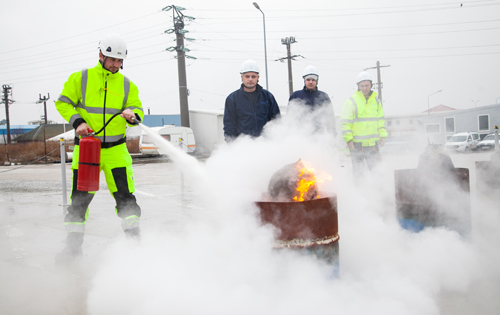
Aims and Objectives of the BST Fire Awareness Module The aim of this module is to enable the participants to prevent fires, make appropriate judgements when evaluating a fire, manage evacuation of personnel and ensure all are safely accounted for in the event of an unmanageable fire. If the incident is judged to be safe, the participants should be able to efficiently extinguish an initial fire by using basic handheld firefighting equipment. Overall learning objectives: 1) The participants can act independently to identify fire hazards and prevent fires in a wind turbine environment (Ability, intermediate level) 2) The participants can take responsibility for assessing a fire and, if needed, be able to select the right extinguishing media according to the fire classes (Ability, intermediate level) 3) The participants can take responsibility for the evacuation of personnel and ensure all are safely accounted for in the event of an unmanageable fire (Ability, intermediate level) 4) The participants can act independently in efficiently extinguishing an initial fire by using basic handheld firefighting equipment, if the incident is judged to be safe (Ability, intermediate level).
4 [h]
€140*
+TVA
Book for Training
We provide government bodies and energy conglomerates with customized training ecosystems, large-scale workforce development, and accreditation consulting.
Descoperă toți partenerii


Vezi mai multe
Noutăți și anunțuri
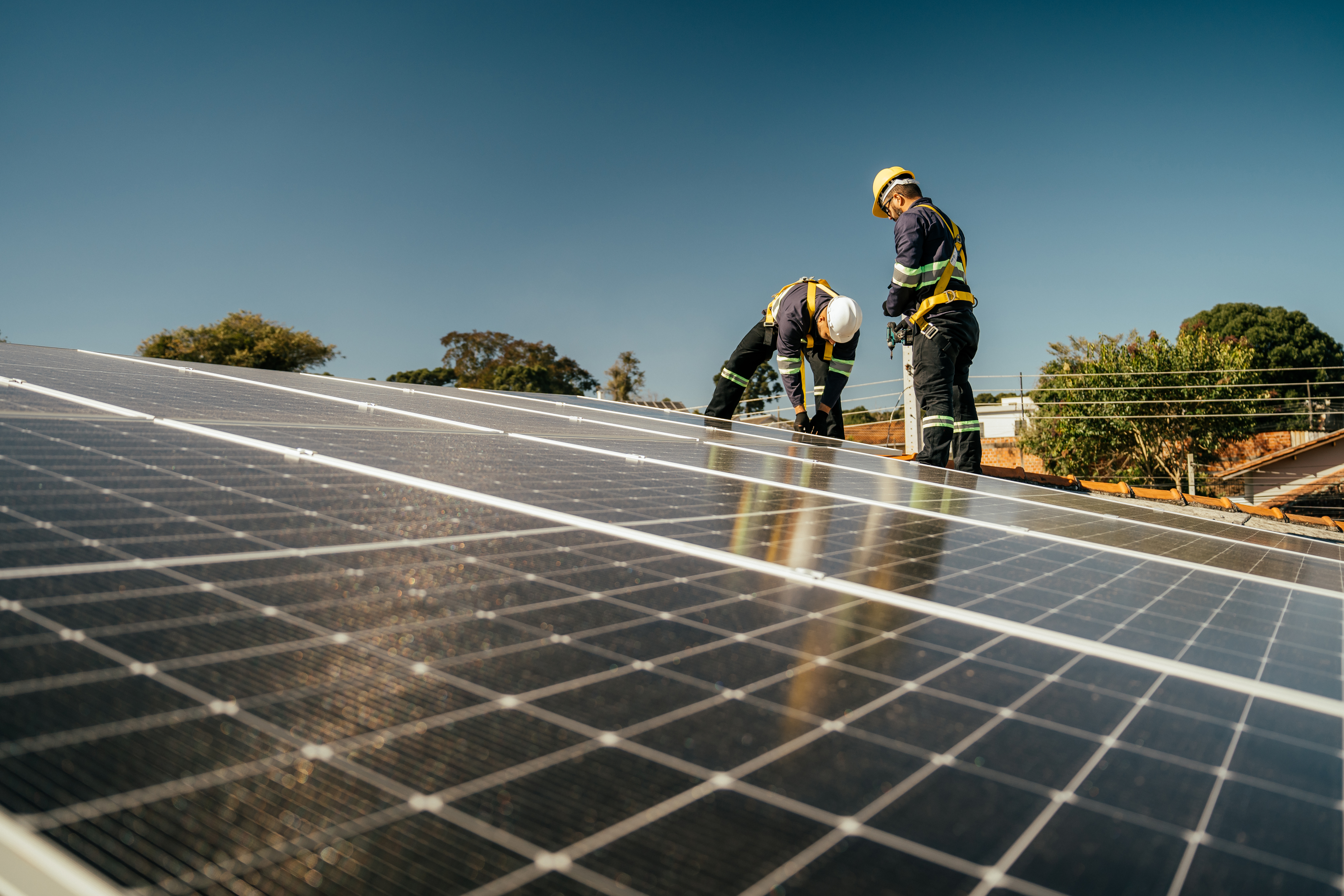
Constanta, 3 March 2026 – RenewAcad announced today that they will begin work on a skills development program under the “Gender and Economic Inclusion Technical Assistance Framework – Access to Skills and Employment”, in partnership with Scatec, Defic and the European Bank for Recons
02.03.2026
Citește articolul
Noutăți și anunțuri

RenewAcad, the largest network of renewable energy training centres in South-Eastern Europe, together with Rezolv Energy, today opened a new training centre in Buzau County, dedicated to preparing specialists for the renewable energy industry. The event also marks the launch of the first groups of t
02.12.2025
Citește articolul
Noutăți și anunțuri
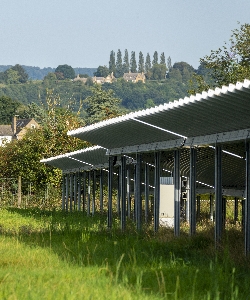
Constan?a, 12 November 2025 – RenewAcad, the largest network of training centers in the field of renewable energy in South-Eastern Europe, announces that it has obtained accreditation for the GWO Solar Safety Training Standard (S-ST), a new international standard dedicated to safety in the lar
12.11.2025
Citește articolul

Hydrogen storage integration with traditional wind farms.
8.2k ViewsHydrogen storage integration with traditional wind farms.
8.2k ViewsHydrogen storage integration with traditional wind farms.
8.2k Views
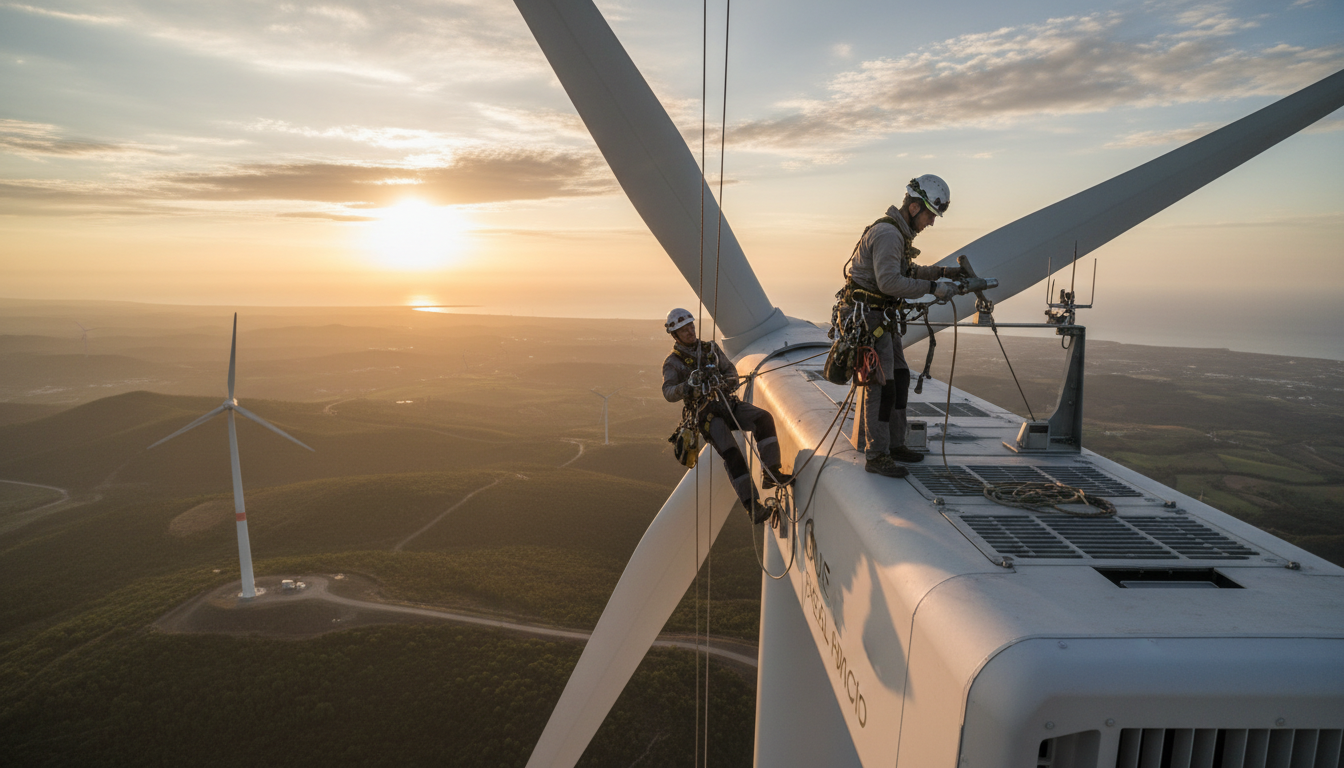
Va rugam sa furnizati detaliile de contact, iar un coordonator de cursuri va va contacta pentru a discuta despre cursurile necesare si pentru a va ajuta sa va atingeti obiectivele in cariera.

Get the latest updates on renewable energy innovations and industry insights.

Weekly updates
Industry insights
Unsubscribe anytime


