








 Certificări și Acreditări
 Rețea Centre
 Întrebări Frecvente
 Satisfacție Clienți
 Știri
Știri
 Afilieri și Parteneriate
Petrila
Afilieri și Parteneriate
Petrila

Cea mai mare Retea de Centre de Pregatire pentru Surse Regenerabile din Sud Estul Europei

Curs de instalare si mentenanta turbine eoliene
Vezi mai multe


Cursuri instalare si mentenanta panouri fotovoltaice
Vezi mai multe

Cursuri instalare si mentenanta sisteme de stocare energie electrica regenerabila
Vezi mai multe

Cursuri și stagii de practică cofinanțate de Uniunea Europeană
Vezi mai multe
RenewAcad este un centru de pregatire certificat national si international pentru a oferi cursuri de pregatire, de calificare si re-calificare in domeniul surselor regenerabile de energie, in preponderent cursuri pentru industria eoliana si fotovoltaica.
Descoperă mai multe

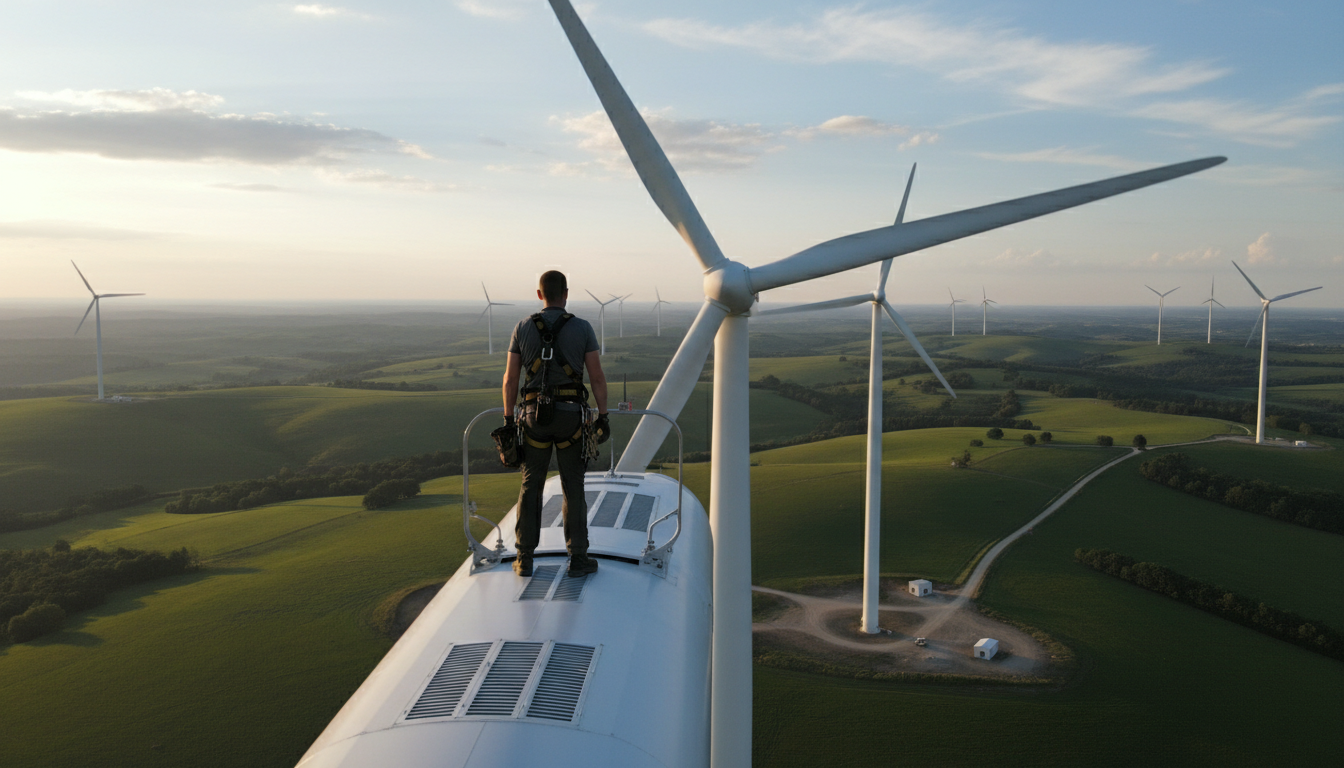

ani de experiență

tehnicieni pregătiți

cursuri profesionale

premii de excelență

proiecte implementate
Industry-leading certification pathways designed to meet the rigorous demands of the global energy sector.
Vezi curriculum


Training certificat GWO pentru tehnicieni turbine onshore si offshore. Training certificat GWO pentru tehnicieni turbine onshore si offshore.
16 Cursuri


Training certificat GWO pentru tehnicieni turbine onshore si offshore.
28 Cursuri

Training certificat GWO pentru tehnicieni turbine onshore si offshore.
32 Cursuri

Training certificat GWO pentru tehnicieni turbine onshore si offshore.
53 Cursuri
Cursuri Turbine Eoliene
ES-R
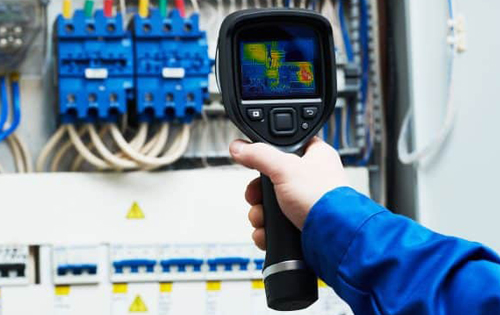
Aims and Objectives of the CoHE Electrical Safety Module The aim of GWO’s CoHE Electrical Safety training module is to enable the participants to support and care for themselves and others while working with, and in the vicinity of, electricity in the wind industry and to perform assigned electrical work tasks safely and efficiently. Upon successful completion of GWO’s CoHE Electrical Safety Module, the participants will be able to perform electrical work safely within the wind industry using electrical PPE, precautionary techniques, and electrical safety safe working practices to reduce the associated risks to the electrical hazards. Overall learning objectives for the CoHE Electrical Safety Module, the participants will have the ability to: 1) Take responsibility for their own and others safety while working with, and in the vicinity of, electricity in the wind industry (Ability, intermediate level) 2) Take responsibility for correctly completing a simple permit to work from beginning to end as the person responsible for establishing a safe work condition (Ability, intermediate level)

4 [h]
€585*
+TVA
Book for Training

Cursuri Stocare Energie Electrică
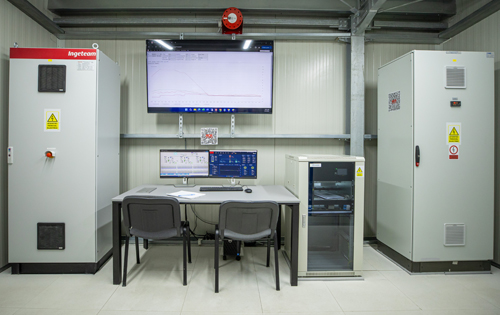
This certificate aims to equip organisations with knowledge and skills to evaluate IT risks and typical vulnerabilities in the context of energy systems. Methods to avoid attacks, amongst other things exploiting human factor related risks, are described and learners will get to know approaches for dealing with security /privacy issues when designing energy data systems (Security /Privacy-by-Design). Imparting an overview of the European legal frameworks and a deeper look into country-specific regulation that have to be considered while building smart grid business models.
7h
€460*
+TVA
Book for Training
Cursuri Turbine Eoliene
WLA
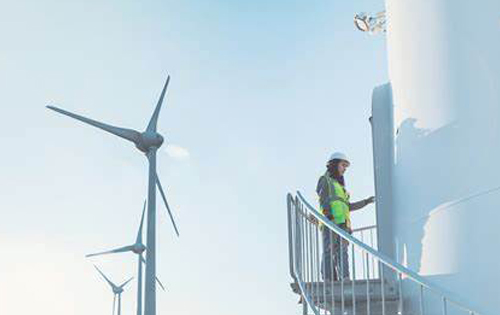
Aims and Objectives of Wind Limited Access Module Training in accordance with this Wind Limited Access Standard will enable participants to behave in a manner whereby they are not a danger to themselves or others during supervised visits to onshore assets, and with the completion of both modules, during transfers and visits to functioning onshore and offshore assets. This standard does not provide participants with the skills or knowledge to safely work in WTG environments or to participate in supervised visits to WTG assets where there are increased safety risks, for example faulty or under construction.
8 [h]
€350*
+TVA
Book for Training
Cursuri Turbine Eoliene
ES
Aims and Objectives of the CoHE Electrical Safety Module The aim of GWO’s CoHE Electrical Safety training module is to enable the participants to support and care for themselves and others while working with, and in the vicinity of, electricity in the wind industry and to perform assigned electrical work tasks safely and efficiently. Upon successful completion of GWO’s CoHE Electrical Safety Module, the participants will be able to perform electrical work safely within the wind industry using electrical PPE, precautionary techniques, and electrical safety safe working practices to reduce the associated risks to the electrical hazards. Overall learning objectives for the CoHE Electrical Safety Module, the participants will have the ability to: 1) Take responsibility for their own and others safety while working with, and in the vicinity of, electricity in the wind industry (Ability, intermediate level) 2) Take responsibility for correctly completing a simple permit to work from beginning to end as the person responsible for establishing a safe work condition (Ability, intermediate level)
12 [h]
€650*
+TVA
Book for Training
Cursuri Stocare Energie Electrică
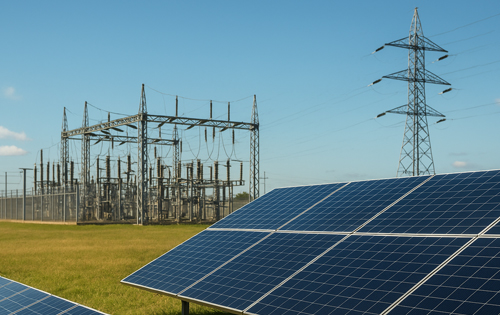
This certificate explores the implications of the evolution of our power system into decentralised, digitalised and secure power exchange platforms which are more sustainable, cost efficient and end-user focused.
11h
€740*
+TVA
Book for Training
Cursuri Stocare Energie Electrică
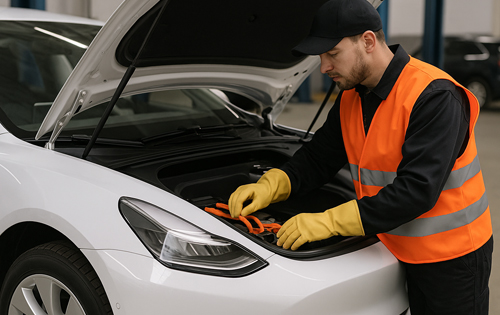
This course is the first step for auto mechanics to expand their internal combustion engine repair skills to electric vehicles. It follows the ASE Level 1 guidelines to become an “electrically-aware person” and learners should be able to pass the ASE xEV Electrical Safety Standards Version 1.1 Level ONE exam. This exam certifies automobile technicians to work safely on the low-voltage components of electric vehicles. That is, you can work around high-voltage components without injuring yourself or damaging the vehicle. Later courses will teach you what you need to know to diagnose and repair the high-voltage components themselves.
2h
€100*
+TVA
Book for Training
Cursuri Stocare Energie Electrică
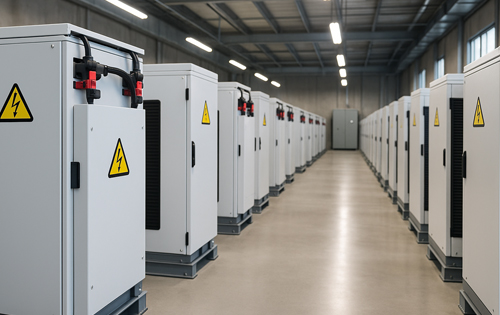
This certificate has been designed to give participants in-depth knowledge of the exciting potential of battery storage solutions, and their applications and benefits across various areas of the electricity grid. Also, this certification provides a thorough understanding of practical applications, including electric vehicles, energy storage systems (ESS) on grid and at home, industrial products and local energy systems. Furthermore, this certification examines business models and investment opportunities related to battery storage.
13h
€990*
+TVA
Book for Training
Cursuri Turbine Eoliene
SR-HSIBR
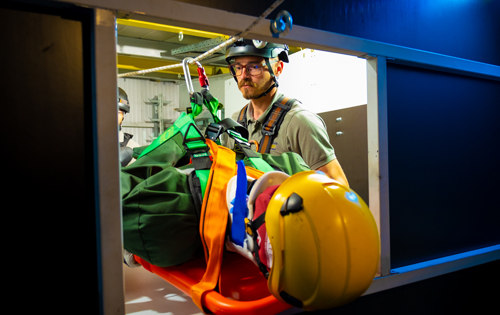
Aims and objectives of the Single Rescuer HSIBR Module The aim of this module is to enable the participants to perform single rescuer advanced rescue operations, in a WTG hub, spinner and inside the blade by using industry standard rescue equipment, methods and techniques, exceeding those of GWO’s Basic Safety Training, Working at Heights Module. Based on the participants HSIBR module qualifications, the single rescuer HSIBR module (SR:HSIBR) shall ensure that participants are able to: 1. Assess and determine single rescuer rescue strategy (relevant rescue method, technique, certified equipment and how to organise the rescue efforts and incident scene) for various rescue scenarios, in a WTG hub, spinner and inside a blade. 2. Apply rescue methods and techniques in performing descending and ascending single rescuer rescue operations, from a WTG hub, spinner and inside a blade using: a rescue stretcher and transfer board; manually operated lowering/raising rescue system for limited distance rescue (rescue device, pulley system or similar); and other rescue equipment relevant to the participant.
4 [h]
€190*
+TVA
Book for Training
Cursuri Turbine Eoliene
BTTB
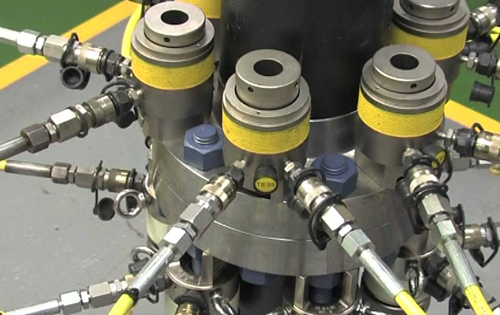
Aims and Objectives of the BTT Bolt Tightening Module The aim of this module is to prepare participants for company specific bolt tightening training, through scenario-based training. After having successfully completed the BTT Bolt Tightening Module, participants will have the: 1) Act independently to safely plan, carryout and complete generic bolt torquing and tensioning tasks to specification using energy powered equipment (Ability, intermediate level).
8 [h]
€550*
+TVA
Book for Training
Cursuri Parcuri Fotovoltaice
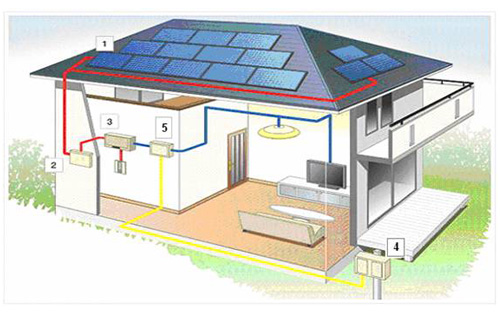
Cursuri Parcuri Fotovoltaice
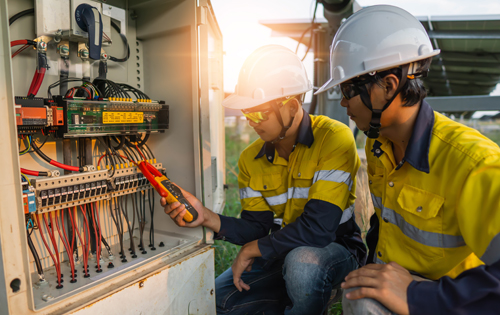
Duration: 8 hours Validity: 24 months The Solar Technical Electrical (S-TTE) module provides participants with the technical knowledge and practical skills to perform electrical installation, connection, and verification of photovoltaic (PV) systems safely and in accordance with GWO and IEC standards. It includes theoretical learning and hands-on practice focusing on DC and AC circuits, measurement, and troubleshooting.Participants will learn how to:– Understand and apply electrical principles of DC and AC circuits in PV installations;– Identify components of PV systems: inverters, junction boxes, combiner boxes, and protective devices;– Perform DC wiring including polarity checks, insulation resistance, and continuity verification;– Connect AC circuits safely to the grid or local distribution board;– Apply grounding, bonding, and equipotential connection methods correctly;– Test and document voltage, current, and insulation resistance using appropriate measuring instruments;– Verify protective measures (RCDs, fuses, breakers) according to standards;– Identify, analyse, and correct common electrical installation faults safely;– Prepare commissioning reports and verify system readiness before energisation.Objective:Upon completion, participants will be able to perform electrical installation and verification tasks in solar PV systems safely and efficiently, ensuring technical quality and compliance with GWO and international standards.
8h
€300*
+TVA
Book for Training
Cursuri Turbine Eoliene
FAWR
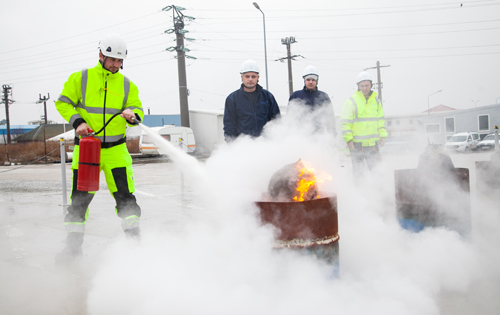
Aims and Objectives of the BST Fire Awareness Module The aim of this module is to enable the participants to prevent fires, make appropriate judgements when evaluating a fire, manage evacuation of personnel and ensure all are safely accounted for in the event of an unmanageable fire. If the incident is judged to be safe, the participants should be able to efficiently extinguish an initial fire by using basic handheld firefighting equipment. Overall learning objectives: 1) The participants can act independently to identify fire hazards and prevent fires in a wind turbine environment (Ability, intermediate level) 2) The participants can take responsibility for assessing a fire and, if needed, be able to select the right extinguishing media according to the fire classes (Ability, intermediate level) 3) The participants can take responsibility for the evacuation of personnel and ensure all are safely accounted for in the event of an unmanageable fire (Ability, intermediate level) 4) The participants can act independently in efficiently extinguishing an initial fire by using basic handheld firefighting equipment, if the incident is judged to be safe (Ability, intermediate level).
4 [h]
€140*
+TVA
Book for Training
Cursuri Stocare Energie Electrică
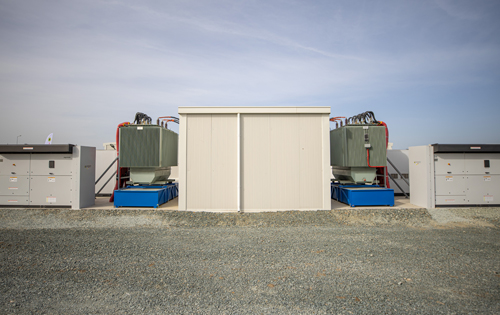
This certificate extract insights from the energy big data to boost your business and create value added services. Participants learn how to develop and implement data science projects in energy businesses. Participants also evaluate the implications, challenges, and benefits of implementing data science projects in an energy company; apply lessons learned from real-life business cases in which data science was applied to energy big data; and supervise the development and implementation of a data science project to create new value with the available data.
15h
€990*
+TVA
Book for Training
Cursuri Stocare Energie Electrică

This mini-certificate explains how a lithium-ion cell can be designed, sized, and produced for a specific capacity and energy. The key steps in the selection and production of the main components of the cell, i.e. electrodes, separator, and electrolyte, are discussed. The slurry formulation, mixing, coating, drying, calendaring, cutting, stacking, electrolyte formulation/injection, sealing/packing, and formation cycles are detailed both in terms of machineries and the processing parameters.
5h
€490*
+TVA
Book for Training
Cursuri Stocare Energie Electrică

This certificate empowers to expertly assess the challenges, the main drivers and the business opportunities of a changing energy system at different levels of the market. Participants will get a perspective on policy and regulation frameworks as a crucial part of any investment decision and strategy, and will discover real business examples from leading companies that are ground-breaking in their sector.
11h
€740*
+TVA
Book for Training
Cursuri Turbine Eoliene
BR
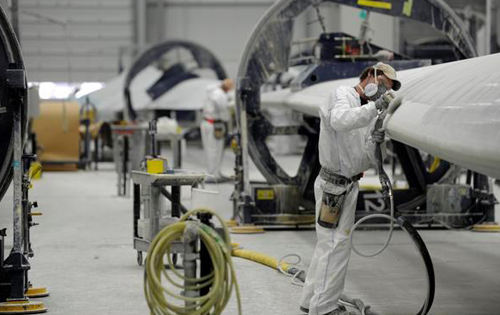
Aims and Objectives of the Blade Repair Module The aim of this module is to enable participants, through theoretical and practical training, to support and care for themselves and others working in the wind industry by possessing the necessary knowledge, skills, and ability for blade repair. Upon successful completion of the blade repair training course, the participants will be able to perform and document a wind turbine blade inspection, and execute repair work in accordance with a work instruction while maintaining the aerodynamic profile and structural integrity in glass fiber reinforced composite parts of a wind turbine within the Following dimensions: 1. laminate repairs including leading edge and trailing edge repairs affecting a maximum amount of five layers and a maximum repair area size of 500cm² 2. core material replacement up to 200cm² 3. surface repair to paint and gelcoat The GWO blade repair training course is intended as an entry level course and the participants will not therefore be expected to perform repairs in major structural elements of blades like spars, spar caps and carbon fiber. After having successfully complete this GWO Blade Repair module, the participants will have the ability to: 1) Take responsibility for working safely with applicable chemicals, while utilizing the applicable personal protective equipment in a controlled manner throughout all phases of blade inspection and repair work (Ability, intermediate level) 2) Explain typical types of blade construction, materials and the importance of surface finish relating to aerodynamic performance and efficiency (Knowledge, intermediate level) 3) Distinguish between and work safely in a controlled manner with epoxy, polyester, polyurethane, vinyl ester, methacrylate, reinforcement materials and solvents related to composite inspection and repair work (Skills, intermediate level) 4) Take responsibility for preparing, operating, and maintaining the correct tools and equipment, be it electrical or mechanical (Ability intermediate level) 5) Take responsibility for safely performing and documenting laminate, sandwich panel and surface layer repairs in accordance with a work instruction in glass fiber reinforced composite parts (Ability, intermediate level).
70 [h]
€2100*
+TVA
Book for Training
Cursuri Parcuri Fotovoltaice
Cursuri Parcuri Fotovoltaice
Cursuri Parcuri Fotovoltaice
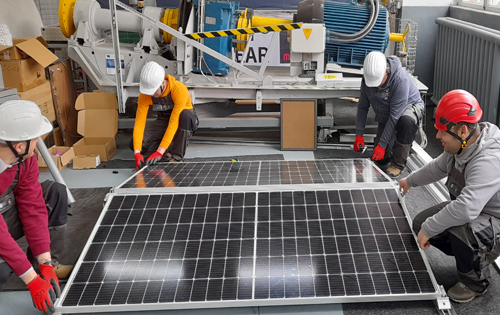
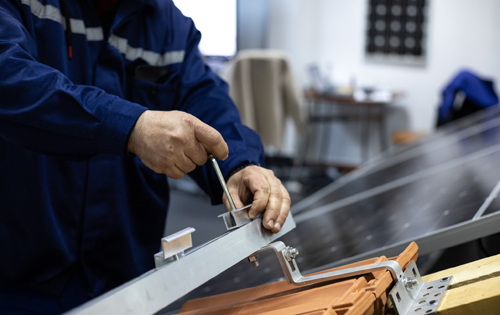
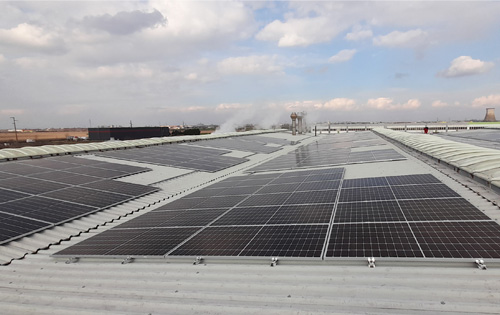
The installer for solar photovoltaic systems is responsible for installing, maintaining, and repairing the equipment and electrical systems necessary for converting solar energy into electricity. This activity involves careful examination of wiring plans and diagrams, using specialized equipment to connect and secure panels, adhering to safety standards and occupational health protection, as well as verifying installation compliance by testing circuit continuity and operating parameters. These operations aim to ensure optimal system efficiency and safe integration into the existing electrical grid. Course Objectives Through this course, participants will acquire the necessary skills for: Installing, maintaining, and repairing photovoltaic systems on various types of buildings and structures. Reading and interpreting technical plans and electrical diagrams. Connecting and testing equipment required for solar system operation. Adhering to safety standards and occupational health, including those for working at heights and handling electrical equipment. Skills Acquired » Reading and interpreting technical documentation specific to the photovoltaic field. » Installing and mounting photovoltaic panels and support structures. » Making electrical connections between system components. » Commissioning photovoltaic installations according to regulations and technical specifications. » Maintaining and repairing equipment in a solar photovoltaic system. » Applying occupational safety and fire protection standards. » Working safely at heights and following procedures for handling masses. Target Audience This course is aimed at those wishing to specialize in the installation and maintenance of photovoltaic systems, including electricians, technicians in the energy sector, or those seeking career transition into this rapidly expanding industry. Admission Requirements: » Minimum educational level: Upper secondary education (first two years of high school). » Medical fitness for working at heights. » Prior training in the electrical field is required for participants in the training program. Course Structure Total Duration: 720 hours (240 hours theory + 480 hours practical) Theoretical Module (basic electricity, safety and occupational health, photovoltaic installation planning) Practical Module (assembly of support structures, installation of panels, connection and testing of photovoltaic systems) Equipment and Safety Participants will learn to use specific equipment including: Tools for electrical measurements (multimeter, clamp meter). Height safety systems (harnesses, lanyards, helmets). Tools and devices for making electrical connections. Fire extinguishing equipment and first aid kits.
720 hh
€400*
+TVA
Book for Training
Cursuri Turbine Eoliene
WAH
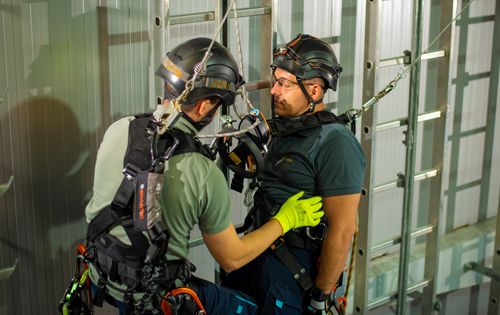
Aims and Objectives of the BST Working at Heights Module The aim of this module is to enable the participants, through theoretical and practical training, to use basic personal protective equipment, work safety at height and perform comprehensive basic rescue from height in a remote wind turbine environment. After having successfully completed this BST Working at Heights Module, the participants have the ability to act safely and responsibly when using basic personal protective equipment, working at heights and performing comprehensive basic rescue from heights in a remote wind turbine environment (Ability, intermediate level).
24 [h]
€455*
+TVA
Book for Training
Cursuri Parcuri Fotovoltaice
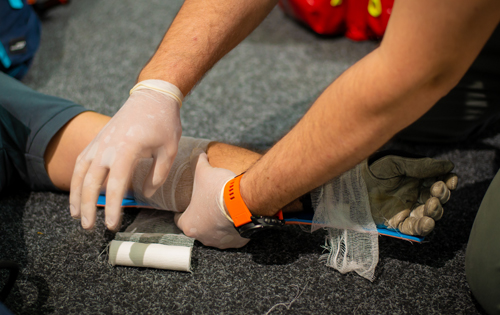
Duration: 8 hours Validity: 24 months The Solar First Aid (S-FA) module enables participants to recognise, assess and prioritise the need for first aid, and to provide lifesaving first aid in a solar industry-specific workplace. Training follows GWO Solar Safety Training Standard V1 (2025) and includes both theoretical and scenario-based practical exercises.Participants will learn how to:– Identify and manage life-threatening situations including catastrophic bleeding, airway obstruction, unresponsiveness, and cardiac arrest;– Apply correct CPR techniques and use AED devices safely;– Manage burns, electrical injuries, fractures, hypothermia, and shock relevant to the solar environment;– Conduct primary surveys (C-A-B-C) and provide appropriate first aid according to casualty condition;– Use personal protective equipment (PPE) and maintain safety during first aid interventions;– Communicate effectively and coordinate emergency response procedures;– Participate in scenario-based exercises reflecting real solar industry incidents;– Recognise their own limitations and call for professional help when required.Objective:Upon completion, participants will be able to provide safe, effective, and timely first aid within a solar industry workplace until professional medical assistance is available.
8h
€190*
+TVA
Book for Training
Cursuri Stocare Energie Electrică

This mini-certificate focuses on the next generation electrolytes for Li-ion and Lithium metal batteries, the solid electrolytes, explaining why the shift to a solid electrolyte is necessary, which types of solid electrolytes exist, how they work and their specific features and benefits.
3h
€390*
+TVA
Book for Training
Cursuri Parcuri Fotovoltaice

Duration: 12 hours Validity: 24 months The Solar Technical Installation (S-TTI) module enables participants to safely plan, prepare, and perform the installation of photovoltaic (PV) systems in accordance with manufacturer requirements and applicable safety standards. It combines theoretical instruction with extensive practical exercises on mechanical and electrical installation tasks.Participants will learn how to:– Interpret PV installation drawings, specifications, and method statements;– Plan installation activities including logistics, tools, and risk assessment;– Assemble substructures, support frames, and racking systems according to torque and alignment specifications;– Mount PV modules securely, ensuring correct positioning, orientation, and spacing;– Connect DC strings and verify polarity, insulation resistance, and continuity tests;– Route and fix cables correctly using UV-resistant clips and strain relief methods;– Apply grounding, labeling, and documentation according to solar installation standards;– Perform final inspection and quality checks prior to system commissioning.Objective:Upon completion, participants will be able to carry out solar PV installation safely and efficiently, ensuring compliance with GWO, IEC, and manufacturer standards, while contributing to the overall quality and reliability of the solar installation.
12h
€350*
+TVA
Book for Training
Cursuri Parcuri Fotovoltaice

Estimating energy production and losses of a photovoltaic power plant up to 1 MWp using PVSyst. Module 1 - Basic Elements -Latitude, longitude, and sun movement throughout seasons. -Definition, impact, and calculation of tilt and azimuth angles. Module 2 - Preliminary Design and Excel Calculations -Typical project lifecycle, evaluation of electricity bills, use of solar radiation maps and Google maps, and estimation of plant capacity. -Using Excel to calculate number of modules and inverters, selection of modules and inverters, and sizing of strings. -Preliminary requirements for site visits, studying obstacles and electrical diagrams, creating rough sketches of the site and single-line diagrams, unforeseen scenarios. Module 3 - Understanding Energy Losses in PVSyst / Case Study CEF 50 kWp -Overview of PVSyst characteristics and functionalities. -Creating a new site, steps involved in using the software, and generating a report. -Definition, calculation, and application of all losses, understanding the loss diagram (Sankey diagram). Module 4 - 3D Shading Scene Design in PVSyst / Case Study CEF 1 MWp -Creating a 3D shading scene, minimizing shading losses, visualizing shade animations throughout a day and analysis, report generation, and understanding shading effects. Module 5 - Sub-Array Design in PVSyst / Case Study CEF 200 kWp -Defining sub-arrays, designing a detailed sub-array system, and analyzing the report. Module 6 - Carport Design and Sales Proposal / Case Study CEF 400 kWp -Creating a carport project in PVSyst, detailed project with losses, 3D modeling and shade analysis, report generation and analysis. -Content of a sales proposal using a PVSyst report within a sales proposal, along with a template. Module 7 - Additional Functions of PVSyst -Adding new modules and inverters, exporting and importing projects, compatibility with other software, adding custom logos, and more.
8h
€1000*
+TVA
Book for Training
We provide government bodies and energy conglomerates with customized training ecosystems, large-scale workforce development, and accreditation consulting.
Descoperă toți partenerii


Vezi mai multe
Noutăți și anunțuri
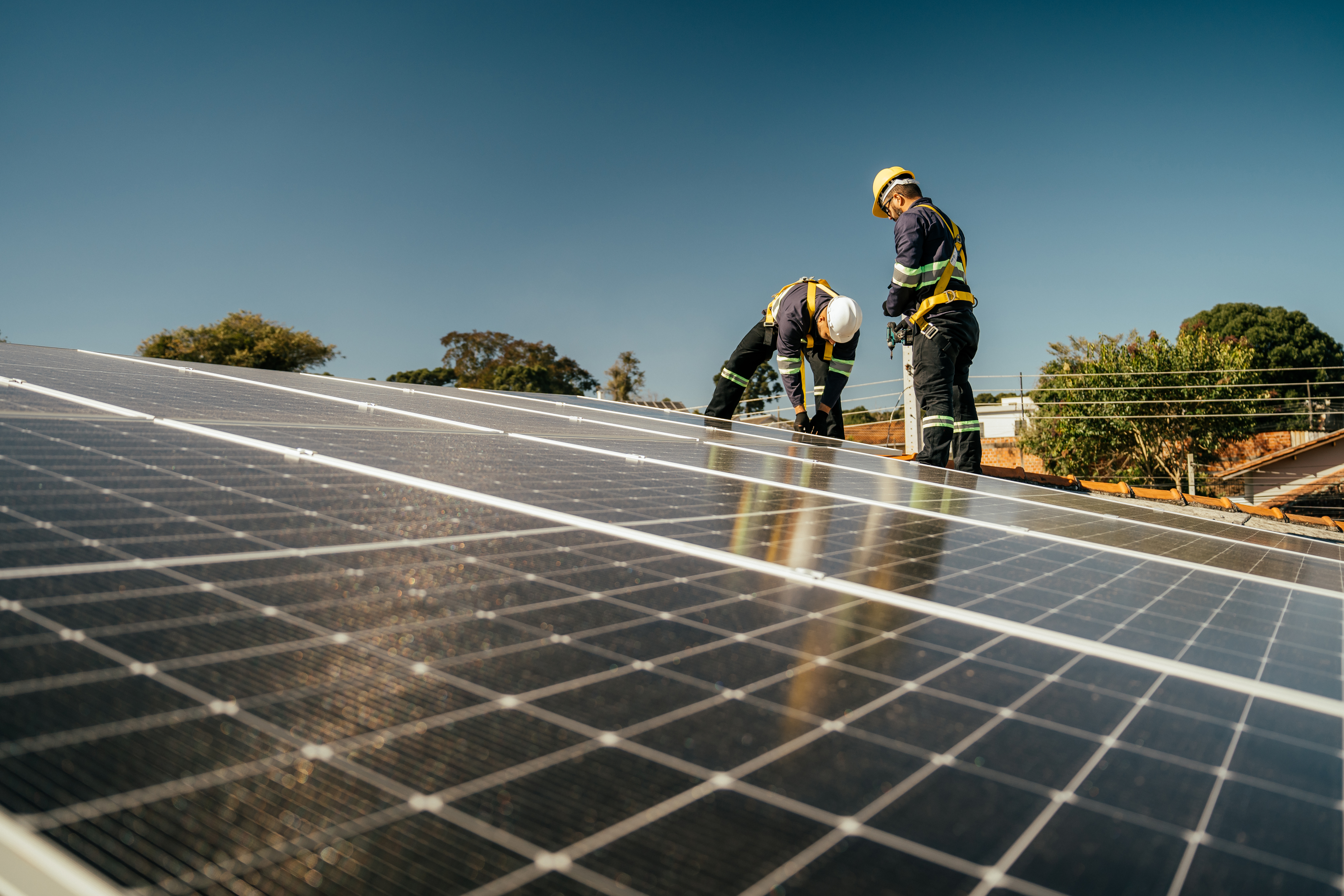
Constanta, 3 March 2026 – RenewAcad announced today that they will begin work on a skills development program under the “Gender and Economic Inclusion Technical Assistance Framework – Access to Skills and Employment”, in partnership with Scatec, Defic and the European Bank for Recons
02.03.2026
Citește articolul
Noutăți și anunțuri

RenewAcad, the largest network of renewable energy training centres in South-Eastern Europe, together with Rezolv Energy, today opened a new training centre in Buzau County, dedicated to preparing specialists for the renewable energy industry. The event also marks the launch of the first groups of t
02.12.2025
Citește articolul
Noutăți și anunțuri
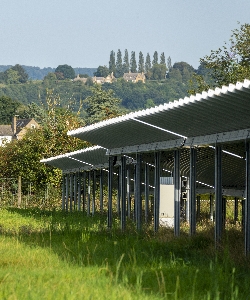
Constan?a, 12 November 2025 – RenewAcad, the largest network of training centers in the field of renewable energy in South-Eastern Europe, announces that it has obtained accreditation for the GWO Solar Safety Training Standard (S-ST), a new international standard dedicated to safety in the lar
12.11.2025
Citește articolul

Hydrogen storage integration with traditional wind farms.
8.2k ViewsHydrogen storage integration with traditional wind farms.
8.2k ViewsHydrogen storage integration with traditional wind farms.
8.2k Views
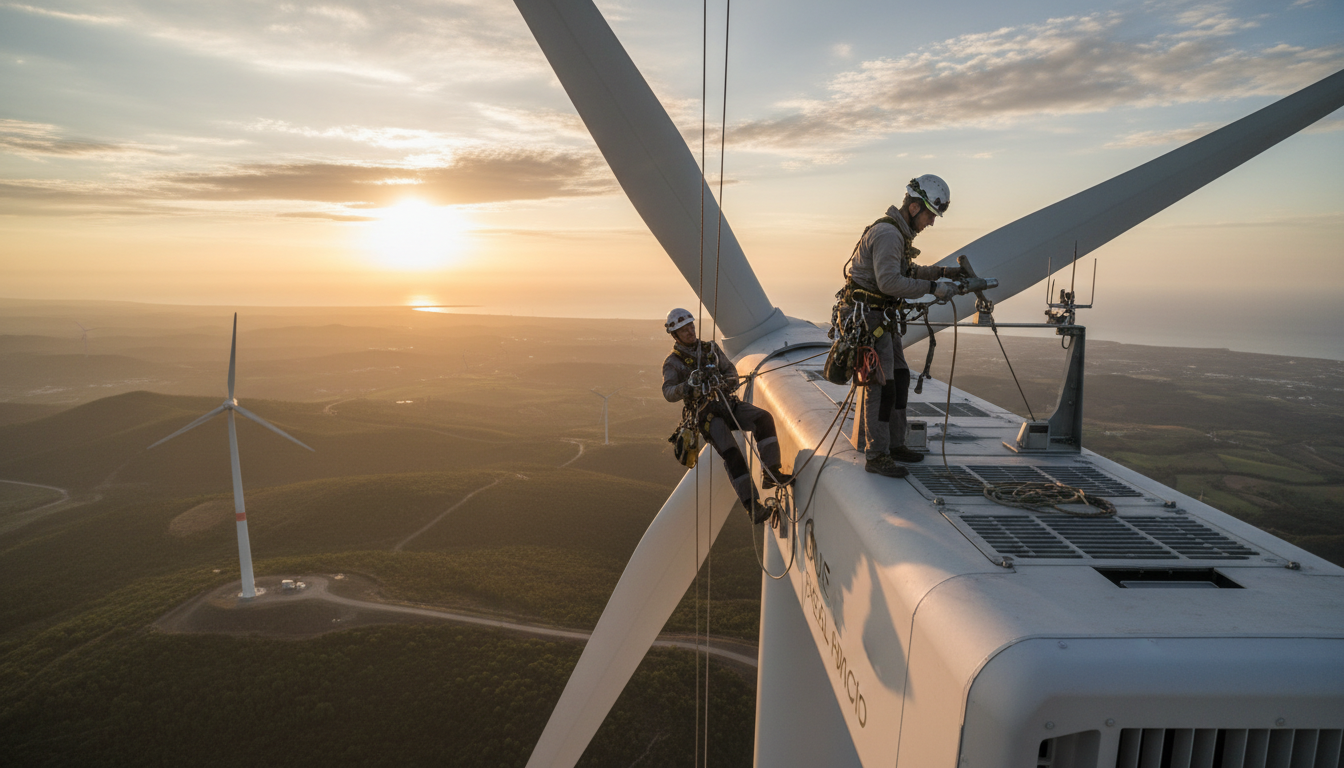
Va rugam sa furnizati detaliile de contact, iar un coordonator de cursuri va va contacta pentru a discuta despre cursurile necesare si pentru a va ajuta sa va atingeti obiectivele in cariera.

Get the latest updates on renewable energy innovations and industry insights.

Weekly updates
Industry insights
Unsubscribe anytime


